 Little Pip
The Glucose Tolerance Test (OGTT)
How is gestational diabetes screened for, how should you prepare for the test and what do the results mean?
Pregnancy hormones change the way your body uses insulin. In some women this leads to high blood sugar that's specific to pregnancy, known as gestational diabetes. Gestational diabetes often causes no symptoms at all, which is why a glucose test is usually offered between weeks 24 and 28; depending on where you live, it may be offered to all pregnant women or to those with risk factors. Women with risk factors may have the test earlier. When it's caught early, gestational diabetes can usually be kept under control with changes to eating and activity.
How is the test done?
A commonly used method is the one-step 75-gram test. Your blood sugar is measured in the morning on an empty stomach, then you drink a sugary liquid containing 75 grams of glucose within a few minutes. Blood is taken again at the end of the first and second hours. Some centers first do a 50-gram screening test and ask for a longer 100-gram test if the result is high. During the test you need to stay seated, not walk around, not eat anything and drink nothing but water, because these can change the result.
How to prepare for the test
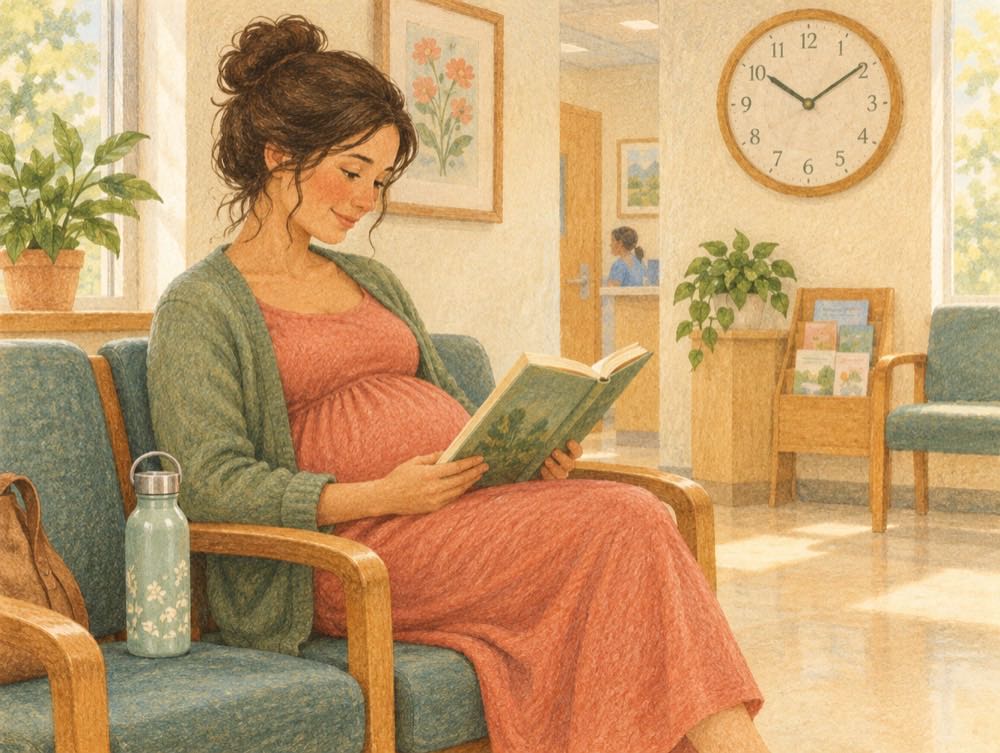
Don't avoid carbohydrates in the days before the test; keep eating normally and in a balanced way, because cutting back too much can lead to false results. You need to fast for at least eight hours the night before; you can only drink water during this time. Bringing a book, headphones or a charger makes the two-hour wait more pleasant. The sugary drink can sometimes cause nausea; drinking it cold, in steady sips, helps. Bring a healthy snack to eat once the test is over.

What do the results mean?
The cutoff values differ between countries and between test types. Your doctor compares each of your values with the cutoffs used where you live; if any one of them is reached or exceeded, gestational diabetes is diagnosed. Always go over your result with your doctor. If the result is normal, the test usually doesn't need to be repeated in this pregnancy. Common worries that the test harms the baby aren't supported by science; the amount of sugar is close to what you'd get from a sweet drink and a slice of cake, and the test gives very important information for your health.
If you're diagnosed with gestational diabetes
This diagnosis may frighten you, but when it's well managed, most women with gestational diabetes have healthy babies. Treatment is built on regular meals, spreading carbohydrates evenly through the day and daily activity. You'll learn to check your blood sugar at home. Some women may need insulin; insulin doesn't harm the baby. Gestational diabetes usually goes away after birth, but because it raises the risk of type 2 diabetes later, it's important to keep up with your checkups after birth too.
Sources (4)
- International Association of Diabetes and Pregnancy Study Groups Recommendations on the Diagnosis and Classification of Hyperglycemia in Pregnancy, IADPSG (Diabetes Care) · 2010
- Diagnostic Criteria and Classification of Hyperglycaemia First Detected in Pregnancy, World Health Organization (WHO) · 2013
- Gestational Diabetes Mellitus (Practice Bulletin No. 190), ACOG · 2018
Sources last reviewed: October 2026. This article was written for Little Pip and is based on information published by these organizations.