 Little Pip
Preeclampsia: Signs You Shouldn't Miss
Preeclampsia is a condition in pregnancy that comes with high blood pressure. Learn its signs, its risk factors and when you need to go to the emergency room.
Preeclampsia is a condition that usually appears after 20 weeks of pregnancy, in which high blood pressure comes with protein in the urine or signs that other organs are affected. An old name for it is “toxemia”, but that name is misleading: it isn't a poisoning. It's often mild and is managed with close monitoring, but sometimes it can progress quickly and have serious consequences for both mother and baby. This is the main reason your blood pressure is measured and your urine checked at every visit. Knowing the signs isn't meant to scare you; it's so you can act quickly when needed.
Which signs should you watch for?
A headache that won't go away or is very severe, blurred vision, flashing lights or spots in front of your eyes, pain just below your ribs, especially on the right side, nausea and vomiting, and sudden swelling of your face, hands and feet are important signs. Mild swelling of the ankles that gets worse in the evening is common in pregnancy and isn't worrying on its own; but if the swelling suddenly increases and is also noticeable in your face and hands, tell your doctor or midwife. Preeclampsia sometimes gives no symptoms at all and is picked up only by measurement, so don't skip your checkups.
Who is at higher risk?
A first pregnancy, having had preeclampsia in a previous pregnancy, and having high blood pressure, kidney disease, diabetes or certain immune system conditions before pregnancy all raise the risk. A multiple pregnancy such as twins, being an older mother, a high weight before pregnancy, a family history of preeclampsia and a long gap between two pregnancies are also counted as risk factors. If you have risk factors, your doctor may suggest more frequent checkups, and in some cases may start low-dose aspirin from the early weeks of pregnancy. Never start this medicine on your own; take it only on your doctor's advice.
What happens if you're diagnosed?
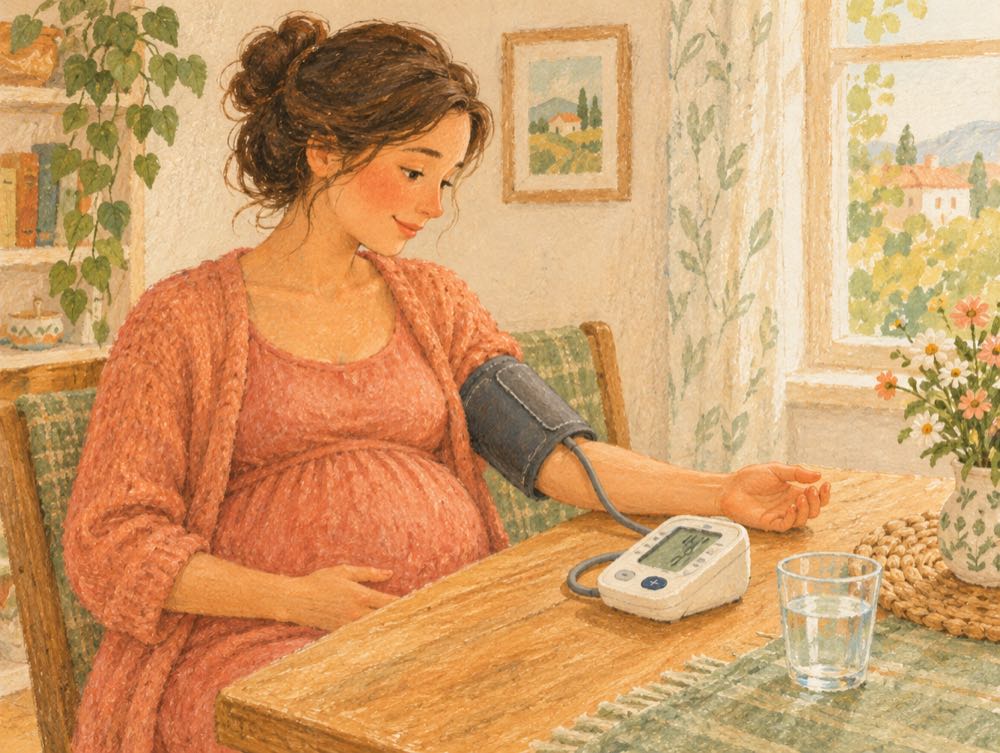
When preeclampsia is suspected, the situation is assessed with blood pressure, urine and blood tests, and your baby's growth and well-being are monitored with ultrasound and methods such as a non-stress test (NST). In mild cases, monitoring at home with frequent checkups may be possible, while in some cases a hospital stay and blood pressure medicines are needed. The definitive treatment for preeclampsia is the birth of the baby and the placenta; so your doctor will decide on the timing of the birth, balancing your safety and your baby's. If you've been asked to measure your blood pressure at home, write down your readings and tell your team if they go above the values your doctor gave you.
When to get help right away
If you have a severe headache, problems with your vision, severe pain below your ribs, shortness of breath, or sudden and marked swelling, go to the labor ward or emergency room without waiting. If you have a seizure, confusion or very severe symptoms, call your local emergency number (911 in the US, 999 in the UK) right away. Remember that preeclampsia can also appear in the days and weeks after birth; if you notice one of these signs after giving birth, act the same way. Trust your instincts: if you feel something is wrong, you have the right to ask to be checked.
Sources (4)
- Hypertension in pregnancy: diagnosis and management (NG133), NICE · 2019
- Gestational Hypertension and Preeclampsia (Practice Bulletin No. 222), ACOG · 2020
- WHO recommendations for prevention and treatment of pre-eclampsia and eclampsia, World Health Organization (WHO) · 2011
Sources last reviewed: October 2026. This article was written for Little Pip and is based on information published by these organizations.