 Little Pip
Medicines and Herbal Products in Pregnancy
Not everything natural is safe, and not every over-the-counter medicine is harmless. The basic rules for medicines, herbal teas and supplements in pregnancy.
In pregnancy, when you have a headache, a cold or heartburn, it's important to pause for a moment before reaching into the drawer. Some of the medicines, herbal teas and supplements you take can cross the placenta and reach your baby. This doesn't mean no medicine can be used in pregnancy; on the contrary, leaving many illnesses untreated carries risks too. What matters is using every product after checking with a health professional. In this article you'll find the basic rules for medicines and herbal products in pregnancy.
Don't take medicines on your own
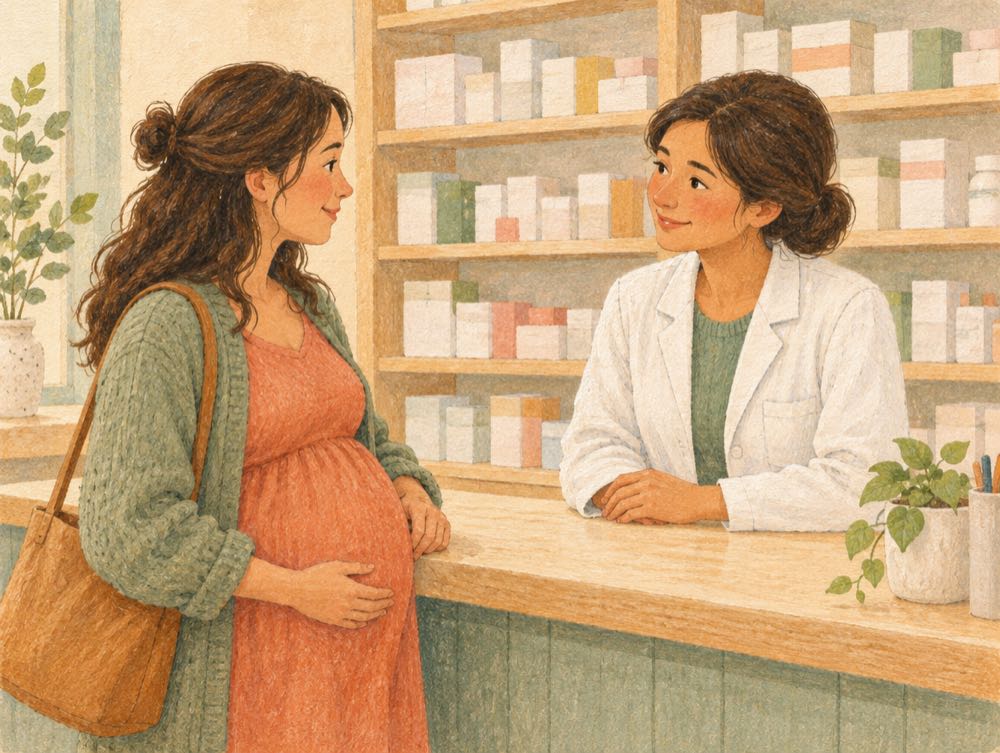
Don't use any medicine without asking first, including over-the-counter painkillers, cold medicines, nasal sprays, stomach medicines and creams. A medicine you used before without any problems may not be suitable in pregnancy. Some medicines are safe at certain stages of pregnancy but not recommended at others. Instead of trying medicines left over at home, products a relative suggested or things you read about online, ask your doctor or pharmacist. Pharmacists are a very valuable source of support on this, and can often answer your questions on the spot.
Don't stop your regular medicines on your own
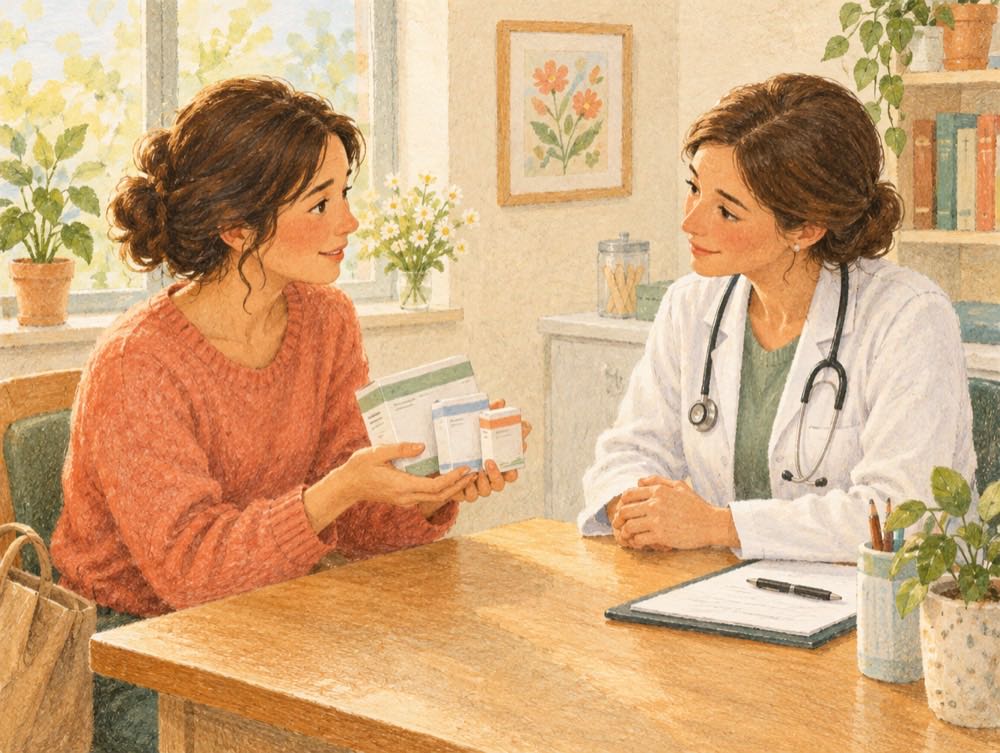
If you take medicine regularly for thyroid problems, epilepsy, high blood pressure, asthma, diabetes, depression or another long-term condition, don't stop it suddenly when you find out you're pregnant. Stopping some medicines abruptly can pose a bigger risk to your health and your baby's than the medicine itself. Instead, contact the doctor who prescribed it as soon as possible; if needed, any change of medicine or dose will be made under their supervision. If you're planning a pregnancy, it's even better to have this conversation before you get pregnant.
Natural isn't always safe
Herbal teas, blends, herbal oils and products sold in herbal shops may seem harmless because they're natural. Yet some herbs can cause contractions of the uterus, affect bleeding or interact with medicines you take. The safety of most of these products in pregnancy hasn't been studied enough, and their ingredients and strength vary from product to product. Ask your doctor or pharmacist about any herbal teas you drink every day or are thinking of drinking. Stay away completely from slimming teas, detox products and blends with unclear ingredients during this time. Don't use aromatherapy oils without asking either.
Vitamins and supplements
In pregnancy, the folic acid, iron or other supplements your doctor recommends are important; but more isn't always better. High amounts of some vitamins, such as vitamin A, can harm the baby. So don't take more than one multivitamin together, and don't take supplements that aren't made for pregnancy or high-dose products. Ask your doctor first about products such as fish oil, herbal capsules or sports supplements too. Tell your doctor about all the supplements you take at every checkup, so your total intake can be assessed.

Tell everyone you're pregnant
Every time you see a dentist, a pharmacist, a doctor in the emergency department, a dermatologist or any other specialist, mention that you're pregnant and how many weeks along you are. If you need an X-ray or another test, be sure to say so too. Keeping a list of all your medicines and supplements on your phone makes this easier. If you took a medicine that isn't recommended in pregnancy by mistake, don't panic; most of the time a single dose doesn't cause a serious problem. Talk it over with your doctor, or you can call your local poison information center (Poison Control, 1-800-222-1222, in the US; NHS 111 in the UK) for advice. If you have signs of an allergic reaction after taking a medicine, such as shortness of breath, swelling of the lips and tongue or a widespread rash, call your local emergency number (911 in the US, 999 in the UK) right away.
Sources (3)
- Medicines in pregnancy, NHS (England)
- Keeping well in pregnancy, NHS (England)
Sources last reviewed: October 2026. This article was written for Little Pip and is based on information published by these organizations.