 Little Pip
The Last Three Months: Discomforts, Preparation and Warning Signs
Your bump has grown, you're short of breath and your sleep is broken. Your body in the third trimester, your preparation list, and the signs you shouldn't miss.
With week 28, you've entered the home stretch of pregnancy. In these weeks your baby gains weight quickly, and their lungs and brain keep maturing. You'll feel your belly grow a little more each week, your movements slow down, and the birth getting very close. This time is full of excitement, impatience and a bit of tiredness. Below you'll find the common discomforts of the last three months, how to cope with them, how to prepare for the birth, and which symptoms mean you should see your doctor or midwife without waiting.
Common discomforts
Because the growing uterus presses on your stomach and lungs, heartburn and shortness of breath can increase; when the baby drops into the pelvis, your breathing gets a little easier, but this time your bladder is squeezed more. Back and groin pain, mild swelling of the feet and ankles in the evening, leg cramps, trouble falling asleep and needing to pee often are common. You may feel your belly tighten from time to time; these are usually practice contractions. Small, frequent meals, lying on your left or right side, putting a pillow between your knees, short walks during the day and raising your feet can ease these discomforts. The related articles in Discover have detailed tips for each one.

Get to know your baby's movements
In the last three months, your baby develops their own pattern of movement. As space in the womb gets tighter, kicks may give way to rolls and pushes, but movements should not decrease right up to the birth. Learning when your baby tends to be more active makes it easier to notice a change. If you think the movements have decreased or changed, don't wait until the next day, and don't try to reassure yourself with a home heartbeat listening device; contact your doctor, midwife or the hospital where you plan to give birth the same day. The kick counting article in Discover can guide you on this.
More frequent checkups
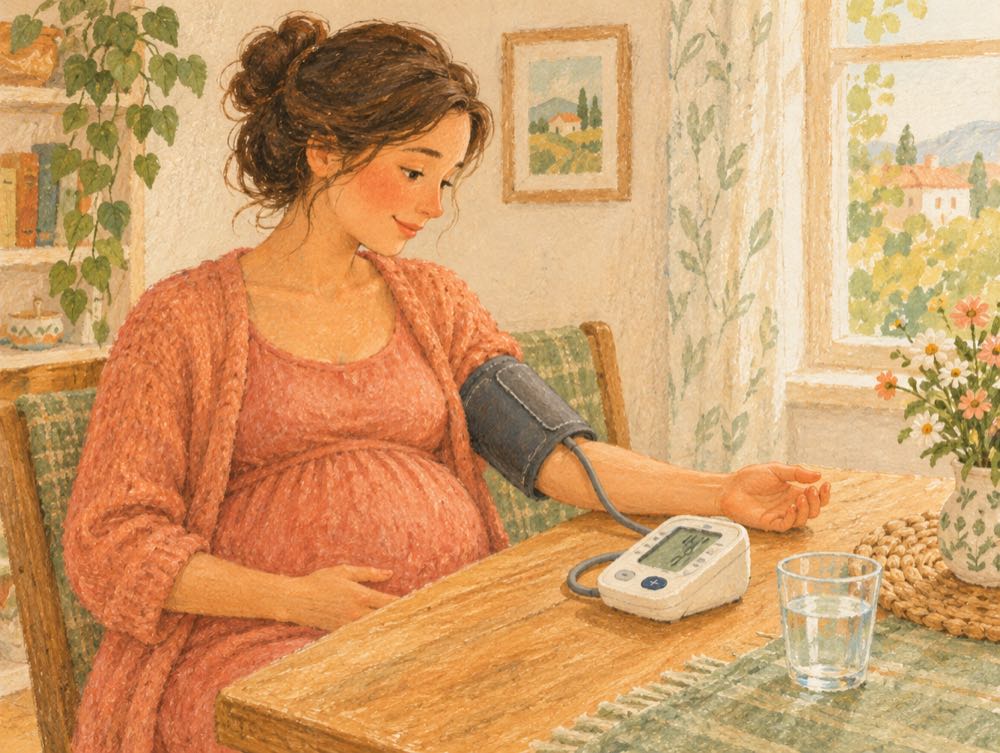
Your appointments get more frequent in this period. Your doctor or midwife checks your blood pressure, weight and urine, and follows your baby's growth and heartbeat. Your blood count may be repeated if needed; for some women, a nonstress test (NST, a monitoring of the baby's heart rate) or an extra ultrasound may be done to check on the baby's well-being. These are also the weeks when they check whether your baby is head-down. Go to appointments with your questions: it's a good time to talk about where you'll give birth, when you should come to the hospital, and your birth options. If you've had blood pressure or blood sugar problems in pregnancy, your checkups may be even more frequent.

Getting ready for the birth
Having your hospital bag ready by week 36 is a good idea. Plan ahead where you'll give birth, how you'll get there, and who will be with you if you need to leave in the middle of the night. Get a safe place to sleep and a car seat ready for your baby. Thinking about your birth plan, joining a prenatal or childbirth class, and trying breathing and relaxation techniques can help you feel calmer. Starting to learn about breastfeeding also makes the first days after birth easier. And don't forget to decide who you can ask for help with housework and meals in the weeks after the birth.

Signs that labor is getting close
Contractions that come at regular intervals and get closer together and stronger, a clear, watery fluid gushing or leaking from the vagina (your water breaking), or a pinkish-brown discharge as the mucus plug in the cervix comes away can be signs that labor is near. If your water has broken, or it is green or brown or smells bad, go to the hospital right away. Before week 37, regular contractions, back pain, pressure in your pelvis or a clear change in your discharge can be signs of preterm labor; contact your doctor or midwife without waiting. You'll find the details in the labor signs article in Discover.
When to see a doctor right away
Vaginal bleeding, fewer or changed movements from your baby, a severe headache that doesn't go away, blurred vision or flashing lights in front of your eyes, sudden swelling of your face and hands, or severe pain under your ribs can be signs of serious conditions such as preeclampsia (high blood pressure in pregnancy that affects organs); go to the hospital without losing any time. Intense itching that gets worse at night, especially on the palms and soles, a fever, or painful swelling in one leg also need to be checked the same day. If there is heavy bleeding, fainting, a seizure or severe belly pain, call your local emergency number (911 in the US, 999 in the UK). Whenever you're unsure, calling is better than waiting.
Sources (4)
- Week-by-week guide to pregnancy, NHS (England)
- Signs that labour has begun, NHS (England)
- Reduced Fetal Movements (Green-top Guideline No. 57), RCOG · 2011
Sources last reviewed: October 2026. This article was written for Little Pip and is based on information published by these organizations.