 Little Pip
Newborn Sleep: What's Normal?
Short sleep cycles, frequent waking, day-night mix-ups. Knowing how newborns sleep, and a reminder of the safe sleep rules.
Newborns spend most of the day asleep, but their sleep is very different from an adult's. They sleep in short stretches, wake often and can't yet tell night from day. This can be exhausting for new parents; but it usually shows your baby is developing in a healthy, natural way. In this article we explain newborn sleep patterns, why they wake so often, why the sounds they make in their sleep are usually normal and the safe sleep rules to follow for every sleep. Every baby is different; if you have a concern about your baby's sleep, talk to your pediatrician.
Short cycles, frequent waking
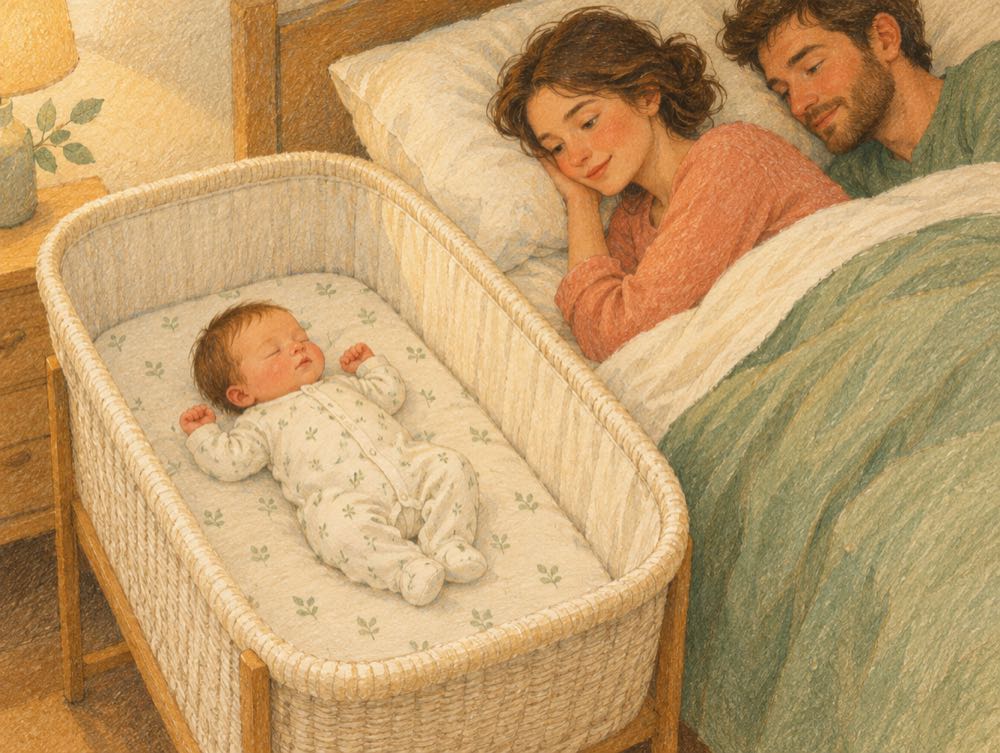
Newborns' sleep cycles are much shorter than adults', and most of their sleep is light, active sleep. That's why they wake easily. Their stomachs are also small, so they need to feed often; they get hungry every few hours, including at night. Night waking at this stage is both expected and important, because it gives your baby the feeds they need to grow. In the first weeks, expecting your baby to sleep for many hours at a stretch isn't realistic. Some babies sleep a lot overall while others sleep less; there can be big differences between babies. If your baby is sleepy and doesn't wake to feed, or there are very long gaps between feeds, talk to your baby's doctor.
Day-night mix-ups
In the womb your baby had no daily rhythm; after birth they slowly learn to tell night from day. That's why in the first weeks some babies sleep long stretches during the day and are more awake at night. This usually sorts itself out within the first few months. During the day, keeping the curtains open, not muffling normal household sounds and playing with your baby while they're awake, and at night keeping the lights dim, talking quietly and doing feeds and diaper changes calmly can help your baby's body clock settle. You'll find details on bedtime routines in the article in Discover on sleep routines and day and night.
Sounds and movements in sleep
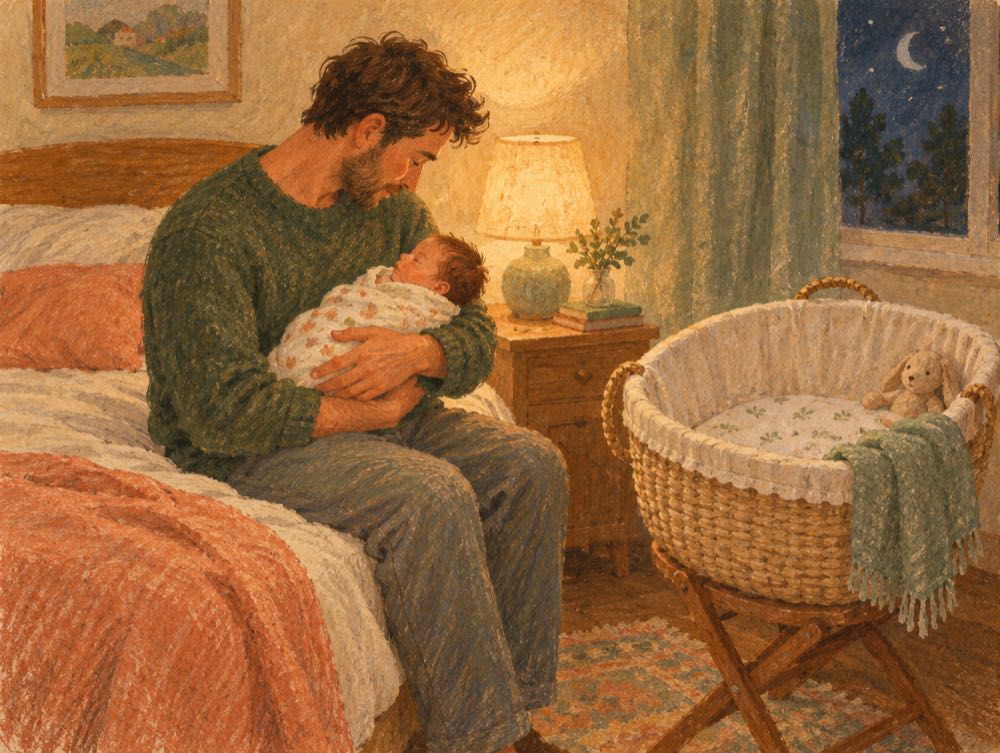
Newborns may grunt, sigh, grimace and move their arms and legs while they sleep. Their breathing can look irregular too: they may breathe fast for a few seconds, then slowly, and there may even be very short pauses. This is usually normal. Waiting a few seconds instead of picking your baby up at every sound lets you see whether they'll drift back to sleep. But a chest that clearly pulls in with each breath, nostrils flaring in and out, wheezy or grunting breathing, turning blue or long pauses in breathing aren't normal and need to be checked right away.
Safe sleep, every sleep
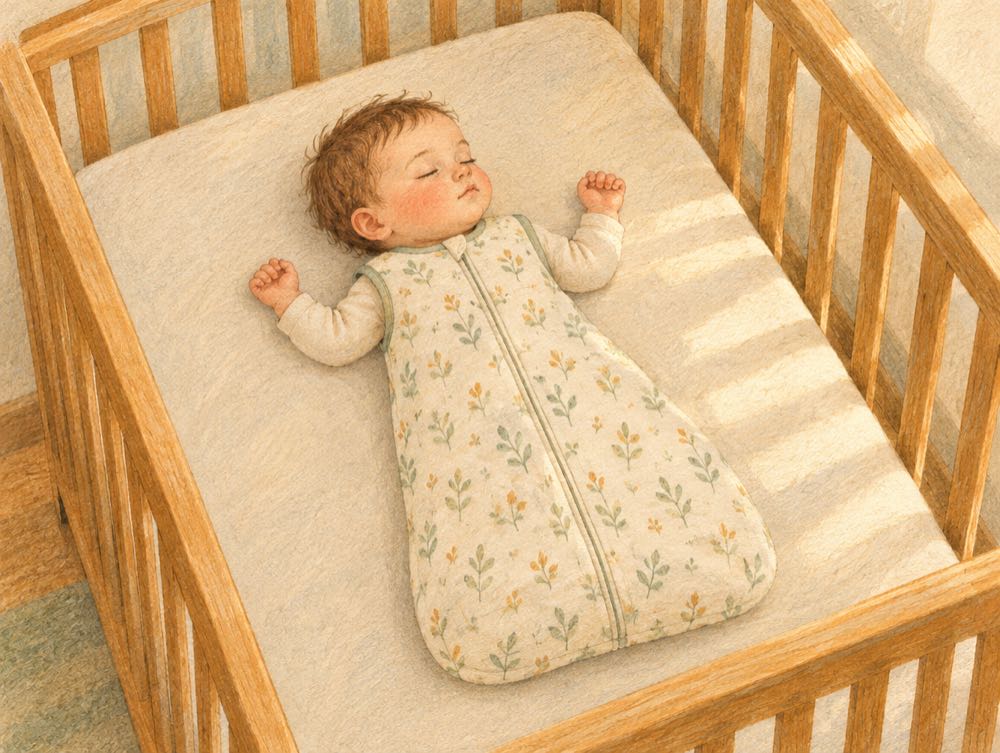
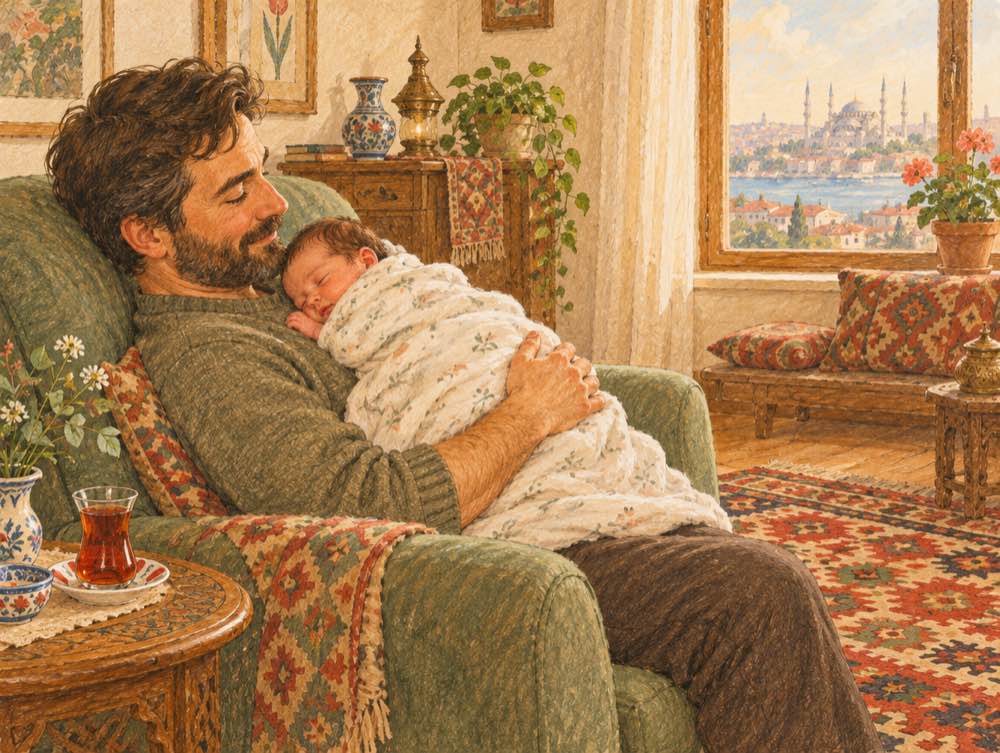
Put your baby on their back for every sleep, night and day. Let them sleep on a flat, firm mattress in their own bed or bassinet. There should be no pillows, comforters, bumpers, toys or loose blankets in their bed. In the first months, for at least the first six months, it's recommended that your baby sleep in your room but in their own bed. Avoid falling asleep while holding your baby on a sofa or armchair; this can be very dangerous. No one should smoke around your baby. Make sure the room isn't too hot and your baby isn't overdressed. If they fall asleep in a bouncer, car seat or swing, move them onto their back on a flat surface at the first chance you get. For details, take a look at the safe sleep article in Discover.

For tired parents
Your baby's frequent waking breaks up your sleep too. Try to rest as much as you can during this time: you can lie down when your baby sleeps and let yourself put off housework or leave it to others. Sharing night duties with your partner, for example one of you doing diaper changes and burping and the other doing feeds, can help you both sleep a little more. When you're very tired, avoid sitting on a sofa or armchair holding your baby; if you feel sleep coming on, put your baby down on their back in their bed or hand them to another adult. If the tiredness has become unbearable, you feel helpless or you notice you're getting angry with your baby, ask for help.
When should you call the doctor?
If your baby is very sleepy and doesn't wake to feed, you find it hard to wake them, they refuse feeds, have a fever or have fewer wet diapers, contact your baby's doctor the same day. If you notice frequent, long pauses in their breathing during sleep, or they're struggling to breathe, grunting or their chest is pulling in, see a doctor without delay. If your baby is turning blue, looks pale or gray, is floppy and unresponsive or seems not to be breathing, call your local emergency number (911 in the US, 999 in the UK) right away. If your baby cries nonstop in an unusual way, or their crying sounds different to you, trust your instincts and talk to your baby's doctor.
Sources (4)
- Helping your baby to sleep, NHS (England)
- Sleep-Related Infant Deaths: Updated 2022 Recommendations for Reducing Infant Deaths in the Sleep Environment, American Academy of Pediatrics (AAP) · 2022
- Baby sleep, American Academy of Pediatrics (AAP) · HealthyChildren.org
Sources last reviewed: October 2026. This article was written for Little Pip and is based on information published by these organizations.