 Little Pip
Foods to Avoid in Pregnancy
Raw meat, unpasteurized cheese, high-mercury fish... Why care matters, and how to keep enjoying the foods you love safely.
In pregnancy your immune system works a little differently, and some germs can reach you and your baby more easily than usual. That's why it's recommended to avoid some foods or eat them only when well cooked. The aim isn't to scare you or overwhelm you with long lists of rules; it's to keep risks as low as possible with a few simple habits. Prepared the right way, many of the foods you love can stay on your plate with peace of mind. Below we've gathered the questions people ask most often.
Raw and undercooked foods
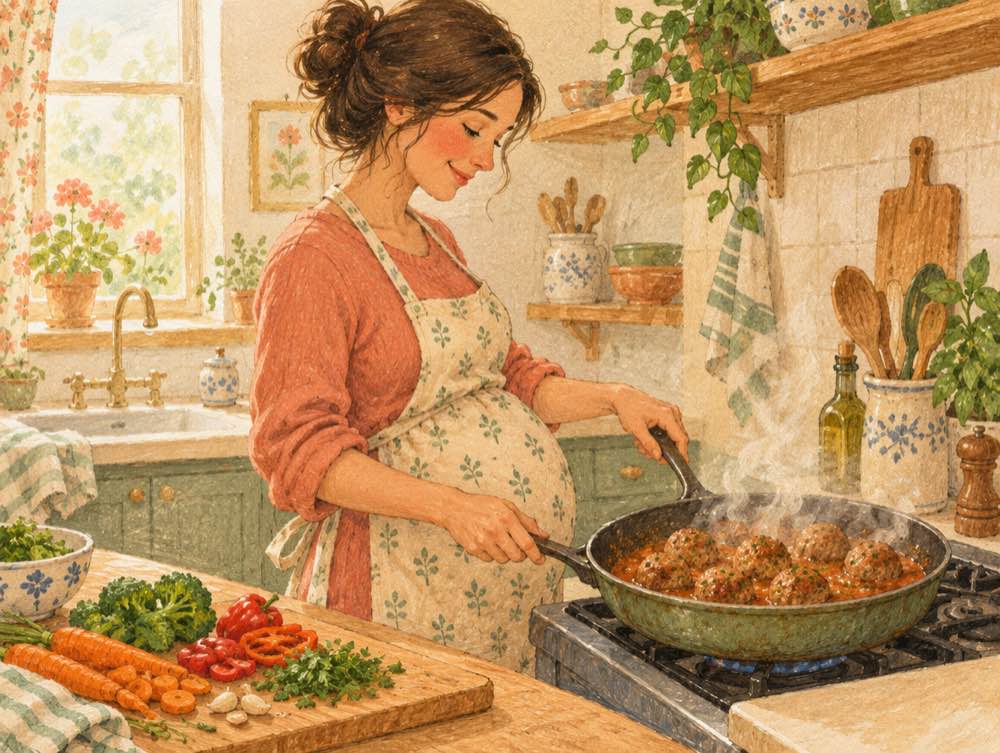
Raw or undercooked meat, meatballs, chicken and cured sausages can carry germs such as toxoplasma and salmonella. Cook meat thoroughly, until no pink is left inside. Raw meat dishes such as steak tartare, rare steak, and homemade desserts or mayonnaise made with raw egg, such as tiramisu, aren't suitable for now. Eggs should be cooked until both the yolk and the white are firm. Sushi, raw oysters and cold-smoked fish are also not recommended because of the risk of infection; but well-cooked fish, shrimp and mussels are safe to eat.
Dairy and deli meats
Cheeses that aren't pasteurized, meaning they're made from raw milk, can carry listeria bacteria. Listeria may feel like a mild flu for the mother, but it can have serious consequences for the baby. So for now, avoid raw farm milk, raw-milk cheeses sold loose, and homemade products you aren't sure are pasteurized. Packaged, pasteurized white cheese, hard cheeses, yogurt drinks and yogurt are safe. Deli meats such as salami, hot dogs and ham are a safer choice when heated until steaming hot. In some countries, raw milk and fresh cheeses made from it can also carry brucellosis, an infection that can cause miscarriage or preterm birth. Drink milk only if it's pasteurized or has been brought to a full boil, and tell your doctor if you get a fever, sweating or joint pain.
Fish, liver and alcohol
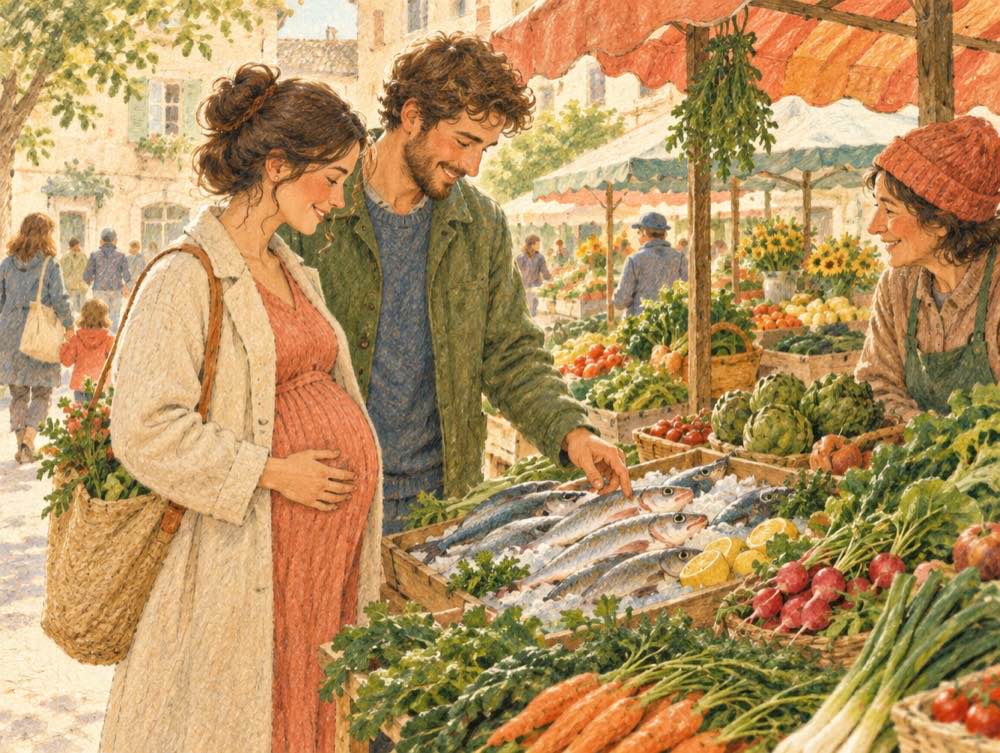
Fish is a very valuable food in pregnancy, as long as you choose the right kinds. Avoid high-mercury fish such as swordfish, shark and large tuna. You can eat about two portions a week of well-cooked, low-mercury fish such as anchovies, sardines, salmon, sea bass and sea bream. Liver and liver pâté contain very high amounts of vitamin A, so it's best to avoid them in pregnancy. No safe amount of alcohol is known, so it's best not to drink at all during pregnancy. Herbal teas shouldn't be drunk in large amounts or without care either; ask your doctor about any you aren't sure of.
Safe habits in the kitchen
Wash fruit and vegetables well under plenty of water; soil can be a source of toxoplasma. Clean the board and knife you used for raw meat with hot water and detergent before using them for salad. Store food in covered containers in the fridge, and don't leave cooked food at room temperature for more than two hours. When eating out, choose dishes that are well cooked and served hot. If you have a cat, leave cleaning the litter box to someone else if you can; if you have to do it, wear gloves and wash your hands afterwards. These small steps give you a lot of protection.
Sources (4)
- Foods to avoid in pregnancy, NHS (England)
- Listeria (Listeriosis), CDC
- Advice about Eating Fish, U.S. FDA and U.S. EPA
Sources last reviewed: October 2026. This article was written for Little Pip and is based on information published by these organizations.