 Little Pip
Ramadan and Fasting in Pregnancy
You may want to fast; this decision touches both your faith and your health. What to talk about with your doctor, the risks, and the signs that mean you should break your fast.
For many families, Ramadan is a month of great spiritual value, and you may want to fast while you're pregnant too. This is a personal decision that touches both your faith and your and your baby's health. In Islam, it's accepted that pregnant and breastfeeding women may postpone fasting when they're worried about harm to themselves or their baby; you can take religious questions to a religious scholar or imam you trust. This article focuses on the health side: what to talk about before you decide, what to watch for if you fast, and when you need to break your fast right away.
Talk to your doctor before you decide
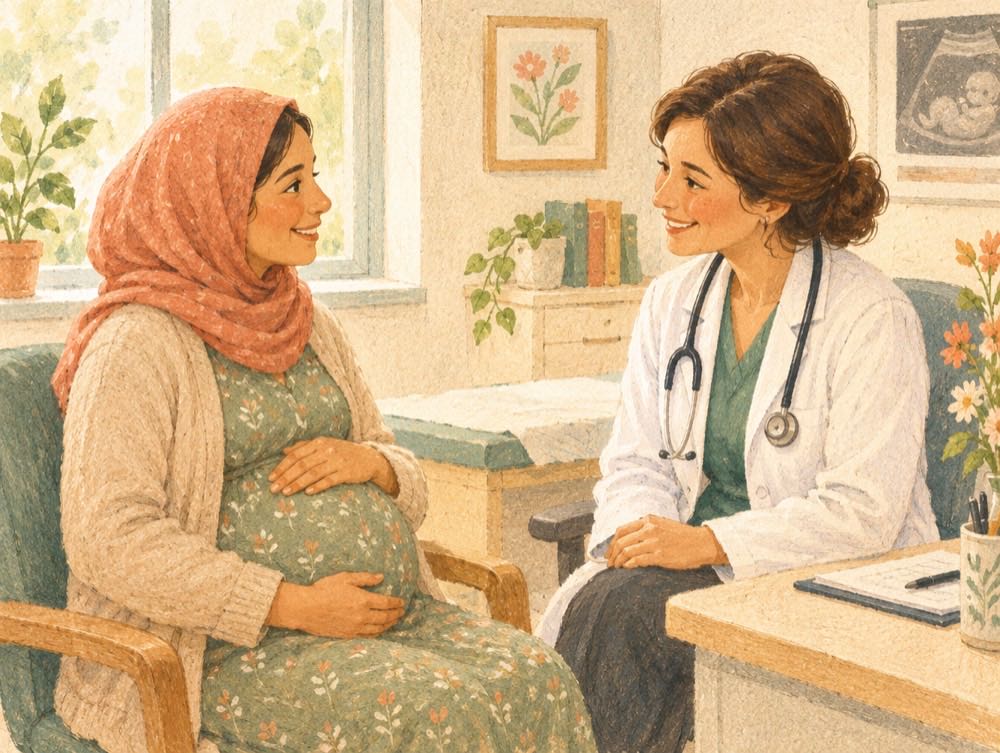
If you're thinking about fasting, talk to your doctor or midwife before Ramadan begins. Your doctor can look at how many weeks pregnant you are, your weight, your blood results and your overall health, and tell you how suitable it is for you. Fasting is generally not recommended if you have gestational diabetes or diabetes from before pregnancy, high blood pressure or preeclampsia, anemia, kidney disease, a twin pregnancy, a history of preterm birth, concerns about your baby's growth, or severe nausea and vomiting. If you take medicines regularly, don't change their timing on your own; be sure to plan this with your doctor too.
Possible risks
Going without food and water for long hours, especially in summer and in hot weather, can make your body lose fluid. In pregnancy this can set the stage for dizziness, fainting, urinary tract infections and contractions. A drop in blood sugar can cause weakness and shakiness; for those using medicine or insulin for diabetes, this risk is much more serious. It can also be harder to get the nutrients your baby needs to grow when your eating is squeezed into two meals. These risks vary from person to person; that's why an assessment of your own situation matters more than a general rule.
If you're going to fast
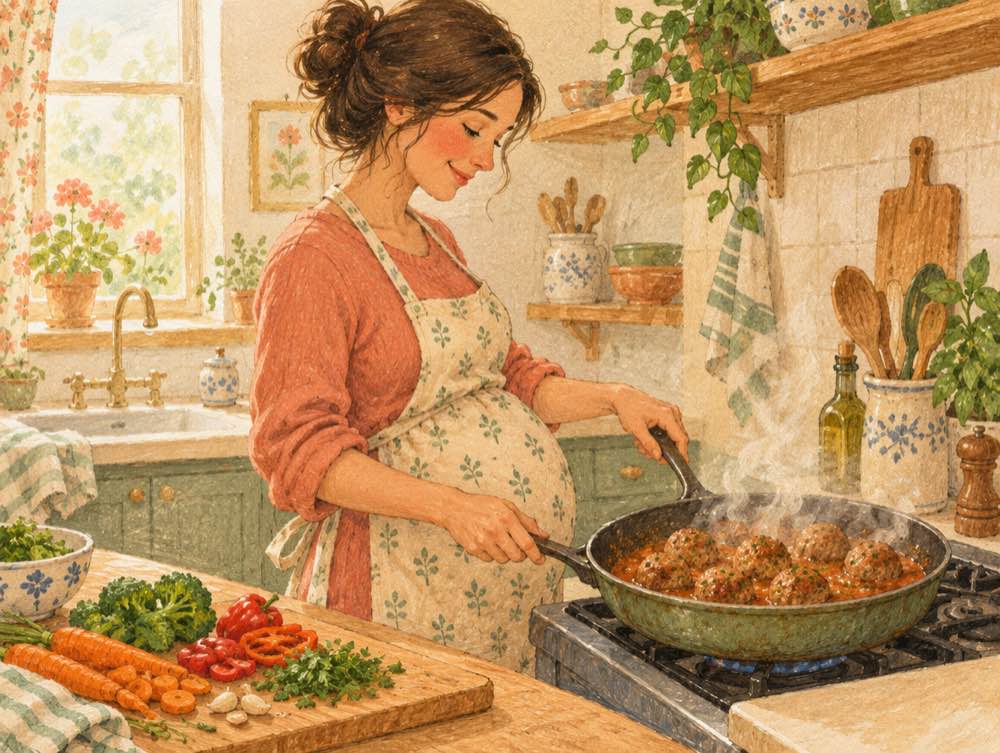
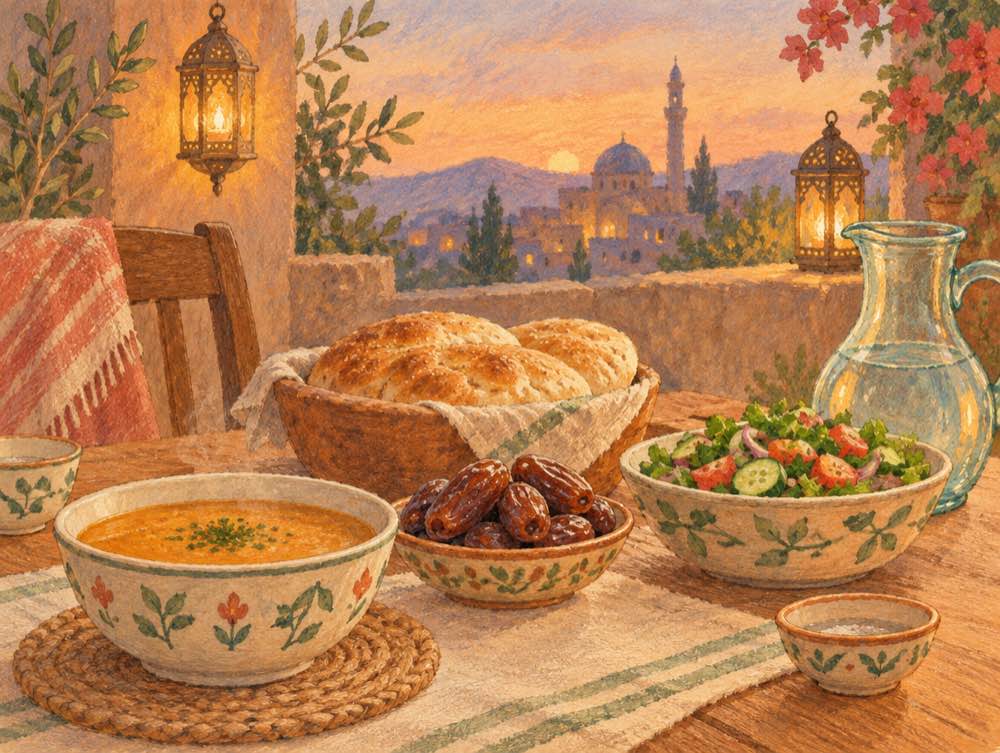
If you and your doctor have decided together that you'll fast, don't skip suhoor (the meal before dawn). At suhoor and iftar (the meal at sunset), choose filling, nourishing foods such as whole grains, legumes, eggs, yogurt, cheese, vegetables and fruit. Between iftar and suhoor, drink plenty of water, spread out over the hours rather than all at once. Very salty, fried and sugary foods make you thirstier; keep dessert at iftar to a small portion. Rest during the day and stay away from the heat and tiring work. Keep an eye on your weight, the color of your urine and your baby's movements. Some women choose to fast only on certain days or to postpone fasting until after pregnancy; whichever path you choose, listening to your body is your most important guide.
Signs that you should break your fast right away
Dizziness, feeling faint or fainting, extreme thirst, peeing much less or dark urine, a severe headache, a racing heart, shakiness, sweating and confusion, nausea and vomiting, belly pain or contractions, vaginal bleeding or your water breaking are signs that you should break your fast right away. If you're in the second half of pregnancy, break your fast without waiting if you notice your baby moving less. If you have any of these symptoms, drink water, eat something, rest and call your doctor. If the symptoms don't pass or are severe, go to the hospital. If there is fainting, a seizure, heavy bleeding or severe belly pain, call your local emergency number (911 in the US, 999 in the UK).
Be kind to yourself
Deciding not to fast, or to stop partway, can bring up guilt for some women. Yet protecting yourself and your baby is a valuable responsibility too. You can still share in the spirit of Ramadan by joining iftar meals, praying, helping others and spending time with older family members. If pressure from people around you is weighing on you, it's enough to gently remind them that you made your decision with your doctor. A similar assessment may be needed while you're breastfeeding after the birth; you can talk about that with your doctor when the time comes. Whatever you decide, it's enough to know that you made the decision for yourself and your health.
Sources (4)
- Have a healthy diet in pregnancy, NHS (England)
- Gestational Diabetes, ACOG
Sources last reviewed: October 2026. This article was written for Little Pip and is based on information published by these organizations.