 Little Pip
Sleep Regression: Why Is My Baby Waking Up Again?
Has your baby, who used to sleep well, suddenly started waking up often? The developmental changes behind the phases called sleep regressions, and ways to make these weeks easier.
Take a deep breath. If your baby slept for long stretches a few weeks ago and now wakes up often, your tiredness and your frustration are completely understandable. The good news: This usually doesn't mean something is wrong; on the contrary, it shows your baby is growing. These phases, which parents call a “sleep regression”, are not a medical diagnosis. The term describes the temporary disruption of sleep that comes with developmental leaps. Most of the time, a new rhythm settles in within a few weeks.

Around four months: sleep is changing
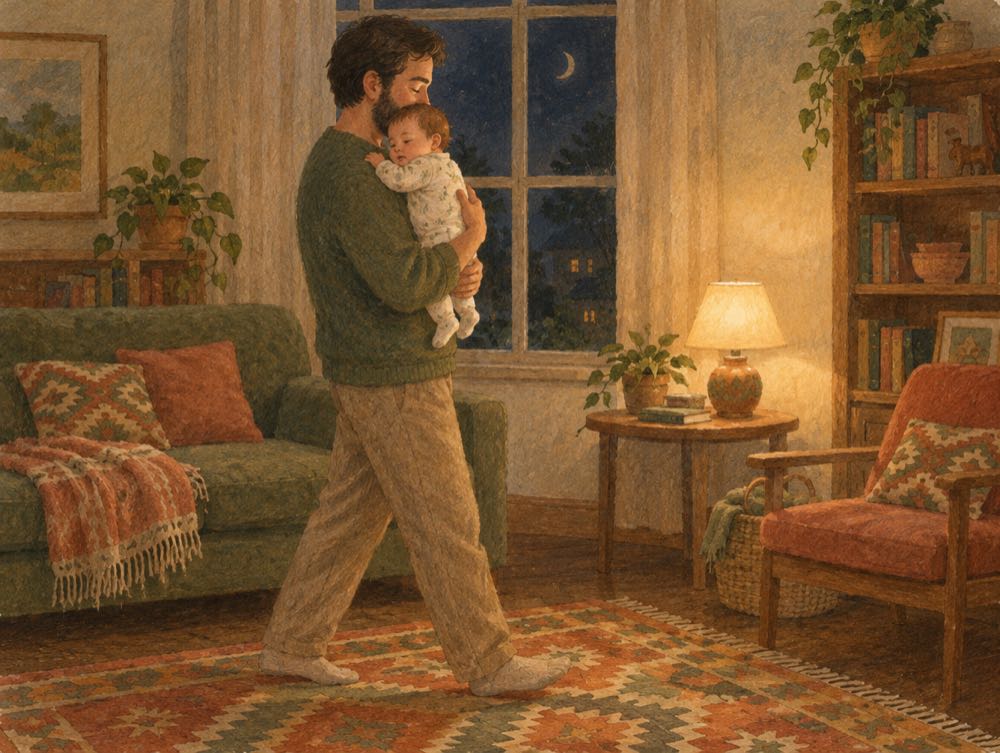
Between about three and four months, the structure of a baby's sleep starts to change. Newborn sleep is simpler; over time, sleep separates into cycles of light and deep stages, similar to an adult's. At the end of each cycle there is a brief, partial waking. If your baby doesn't yet know how to fall back asleep alone in these moments, especially when waking up somewhere different from where they fell asleep, for example falling asleep in your arms and waking up in the crib, they may cry to call you. In the same period, babies notice their surroundings much more and get distracted easily; this can affect daytime feeds and naps.
Other challenging phases
Sleep patterns can be shaken up a few more times during infancy. These phases don't happen at the same age for every baby, and in some babies they are barely noticeable.
- While learning to roll over, sit, crawl or pull up to stand, your baby may want to try these new skills at night too.
- Separation anxiety becomes more noticeable around eight to ten months; your baby may get more upset when they can't see you.
- Teething, illness, the days after vaccines, travel or moving house can disrupt sleep temporarily.
- As the number of daytime naps drops, for example going from two naps to one, there may be a few weeks of irregular sleep.
Most of these changes are temporary; as your baby gets used to a new skill, sleep recovers too.

Ways to make these weeks easier
- Stick to your routine: A calm, predictable sequence like a bath, pajamas, a feed, and a short book or lullaby tells your baby it's time to sleep.
- Try putting your baby down drowsy but awake: Placing your baby in the crib drowsy but awake sometimes, even if not every time, can help them learn to fall asleep on their own.
- Light by day, dim at night: Daylight and daytime activity support the body clock; keep night feeds quiet and in dim light.
- Practice new skills during the day: Plenty of practice rolling over or standing up during the day can reduce nighttime curiosity.
- Don't miss the signs of tiredness: An overtired baby has a harder time falling asleep.
- Be patient: Rather than making big changes during this phase, waiting for it to pass is usually enough.
Safe sleep once your baby starts rolling
Even when sleep patterns change, the safe sleep rules never do.
- Put your baby to sleep on their back for every sleep.
- If your baby can roll from back to tummy and from tummy to back on their own, you don't have to turn them back over when they roll during sleep; still, always start by placing them on their back.
- Stop swaddling as soon as you see the first signs that your baby is trying to roll; their arms should be free.
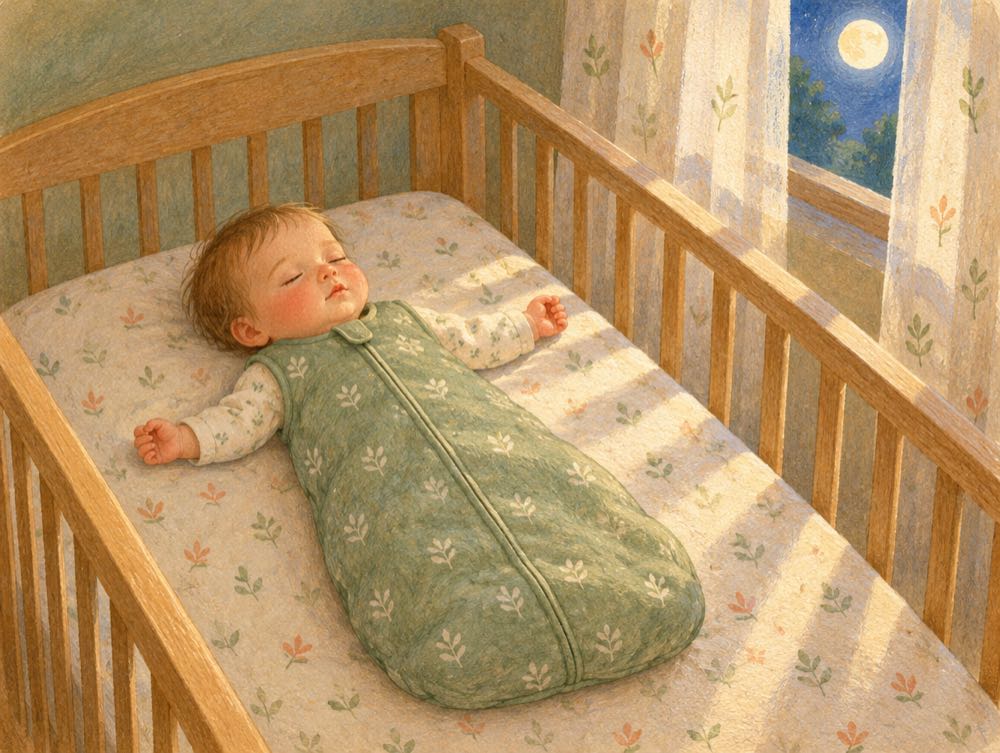
- Keep the crib empty: Your baby should sleep on a firm, flat mattress without pillows, bumpers, toys or loose blankets; if you're worried about your baby getting cold, use a sleep sack that fits their size.
- Don't use positioners or inclined baby beds.
- Be especially careful not to fall asleep with your baby on a sofa or armchair when you're exhausted.
When should you see a doctor?
A sleep regression is a temporary change seen in healthy babies. In the following situations, the sleep disruption may have another cause; talk to your family doctor or pediatrician:
- If the sleep problem lasts longer than a few weeks and keeps getting worse.
- If your baby snores constantly, seems to stop breathing during sleep or breathes with effort.
- If there is fever, ear pulling, coughing, vomiting or diarrhea.
- If your baby is feeding less, isn't gaining weight or seems very different from usual.
- If you notice a loss of developmental skills instead of progress.
If there is marked difficulty breathing, bluish color or unresponsiveness, call your local emergency number (911 in the US, 999 in the UK) right away. If your own lack of sleep is wearing you down, talk to your doctor about that too; asking for support is a natural part of this phase.
Sources (4)
- Baby sleep, American Academy of Pediatrics (AAP) · HealthyChildren.org
- Helping your baby to sleep, NHS (England)
- Sleep-Related Infant Deaths: Updated 2022 Recommendations for Reducing Infant Deaths in the Sleep Environment, American Academy of Pediatrics (AAP) · 2022
Sources last reviewed: October 2026. This article was written for Little Pip and is based on information published by these organizations.