 Little Pip
Expressing and Safely Storing Breast Milk
Hand expressing, using a pump, storing and thawing milk, labeling and transporting it. The basics for using expressed milk safely.
You may need to express milk for many reasons: your baby is in intensive care or finding it hard to latch, your breasts get very full and tight, you'll be apart from your baby for a while or you're going back to work. Expressed milk is a valuable way to keep giving your baby breast milk. But to keep the milk safe, you need to follow the rules for cleanliness, storage and thawing. In this article we sum up widely accepted advice on hand expressing and pumping, and on storing, thawing and transporting milk. Sources differ slightly on storage times, so we've given the times below on the safe side.
Hand expressing
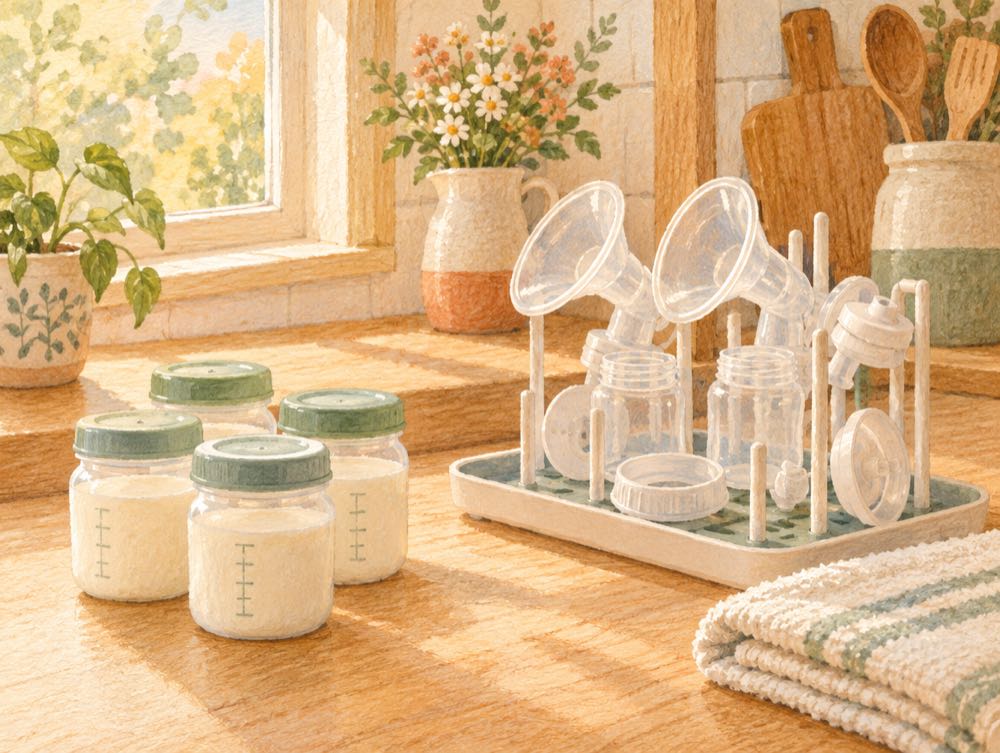
Hand expressing is very useful, especially in the first days, for collecting small amounts of colostrum, and it needs no equipment. First wash your hands well. Gently massaging your breast, a warm shower or thinking about your baby can help the milk flow. Place your thumb a little above the areola and your other fingers below it, in a C shape. Press the breast tissue gently back toward your chest, squeeze by bringing your fingers together, then release. Repeat this rhythmically; don't squeeze or pull the nipple. When the flow slows, move your fingers around the breast and continue from another spot, then switch to the other breast. Getting very little milk on the first tries is normal; it gets easier with practice.
Using a pump
If you'll be expressing often or for a long time, a manual or electric pump can make it easier. Hospitals may have powerful pumps; if your baby is in intensive care, ask the care team. It's important that the pump's breast shield is the right size for your nipple; a shield that's too narrow or too wide can cause pain and inefficient pumping. Keep the suction at a comfortable level that doesn't hurt. After every use, wash the parts that touch milk thoroughly in hot, soapy water, rinse and let them air dry; sterilize them regularly as the manufacturer recommends. Sharing pumps is generally not recommended; if you're thinking of a secondhand pump, take a look at the breast pump article in Discover.
Storing milk
Store expressed milk in a clean container with a lid or in bags made for breast milk. At room temperature, in a cool place, it can sit for a few hours, up to about four hours at most. In the fridge, it's best stored on a back shelf where it's 4 °C (39 °F) or colder; door shelves are more exposed to temperature changes. On the safe side, it's recommended to use milk from the fridge within four days. If you won't use it soon, put it in the freezer; in a deep freezer it keeps well for about six months. Storing small amounts, as much as your baby drinks in one sitting, cuts down on waste. When freezing, don't fill the container to the top; milk expands as it freezes. Don't add fresh, warm milk on top of milk that's already cooled or frozen; chill it in the fridge first.

Thawing and warming
Thaw frozen milk by moving it to the fridge the night before or by standing the container in warm water. Don't use a microwave; it doesn't heat milk evenly, it creates hot spots that can burn your baby's mouth and it can damage some of the milk's valuable properties. Don't heat milk directly in boiling water or on the stove. Thawed milk may look separated; gently swirling the container to mix it is enough. Use milk thawed in the fridge within about 24 hours and don't refreeze it. Test warmed milk by dripping some on the inside of your wrist; it should be lukewarm, not hot. Don't save milk your baby started but didn't finish for the next feed; throw it away within a few hours. Milk that has touched your baby's mouth is more prone to bacterial growth.
Labeling and transporting
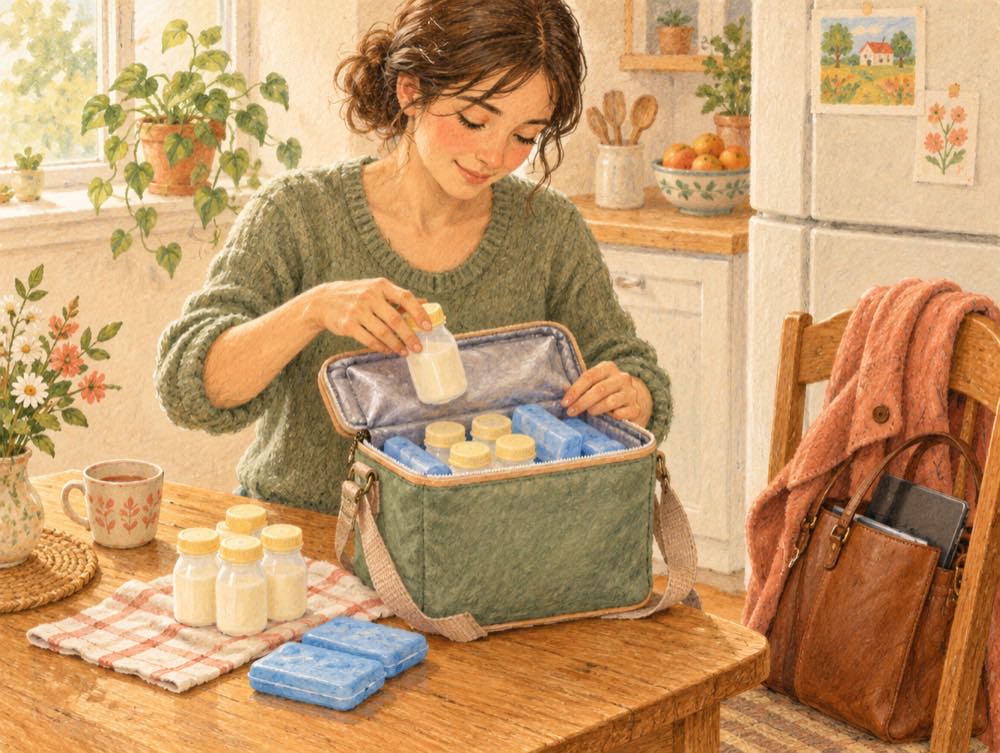
Write the date you expressed the milk, and the time if needed, on every container. Use the oldest milk first. If your baby is at daycare or with a caregiver, adding your baby's name to the container avoids mix-ups. When carrying milk from work to home or anywhere else, use a cooler bag with ice packs, and put it in the fridge as soon as you can. If you're carrying frozen milk, it may partly thaw on the way; if it has completely thawed, don't refreeze it, put it in the fridge and use it within a day. It's a good idea to tell whoever looks after your baby how to warm the milk, what to do with leftover milk and not to use any milk they're unsure about. Don't use milk that smells sour or off.
When should you get help?
If pumping hurts, or your nipples crack, bleed or turn white, check the shield size and suction setting with a midwife or lactation consultant. If a painful, red, hard area forms on your breast with a fever or feeling unwell, it may be mastitis; see your doctor. If the amount you express keeps dropping or doesn't meet your baby's needs, ask for support early. If your baby has vomiting, diarrhea, a fever or seems unwell after drinking expressed milk, talk to your baby's doctor. If your baby has a high fever, refuses to feed or is very drowsy and floppy, contact the doctor without delay; in an emergency, call your local emergency number (911 in the US, 999 in the UK).
Sources (4)
- Expressing breast milk, NHS (England)
- Breastfeeding, CDC
- Breastfeeding, American Academy of Pediatrics (AAP) · HealthyChildren.org
Sources last reviewed: October 2026. This article was written for Little Pip and is based on information published by these organizations.