 Little Pip
Preparing Formula Safely
Cleanliness, water boiled and cooled to the right temperature, following the scoop exactly and throwing away leftovers. The basic steps for making up bottles safely.
If you feed your baby formula, or give formula alongside breastfeeding, preparing it correctly and cleanly is very important for your baby's health. Powdered formula isn't sterile; it may contain bacteria, even if only a few, and babies, especially in their first months, are more vulnerable to infections. Using the scoop wrongly can also lead to your baby being underfed or overfed, and even to serious health problems. In this article we describe the generally recommended preparation steps. Always follow the instructions on your formula's package, and ask your pediatrician which formula is right for your baby.

Cleaning and sterilizing
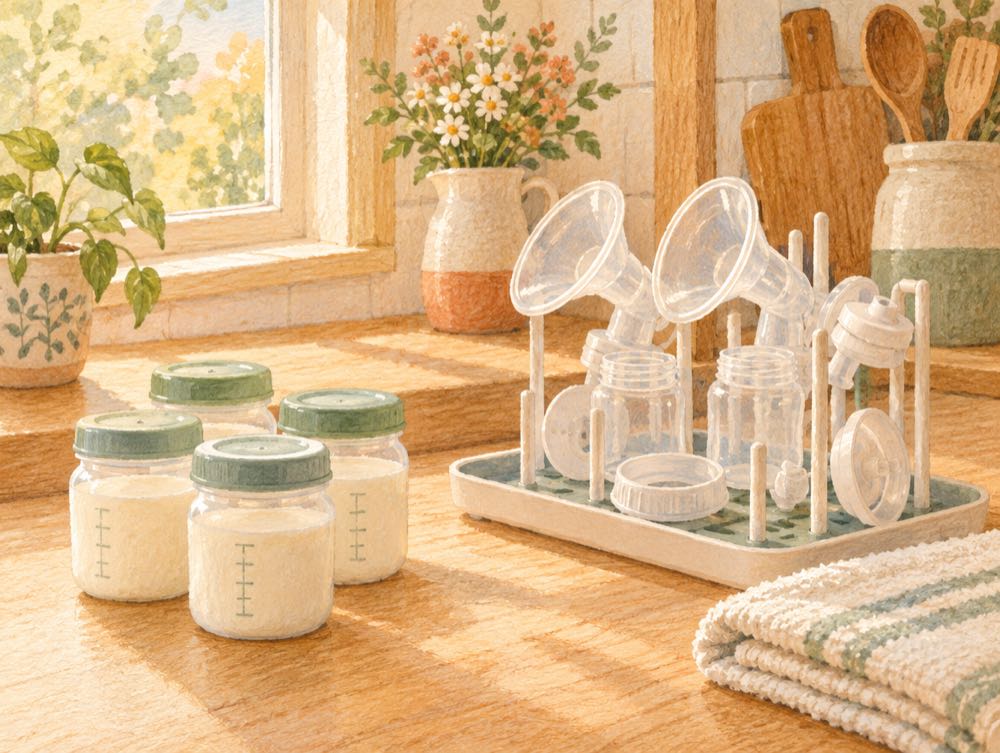
Before you start making up formula, wash your hands well with soap and clean the surface you'll work on. After every use, wash bottles, nipples, caps and other parts in hot, soapy water with a brush; pay special attention to the inside of the nipple and the bottom of the bottle. In the first months, sterilizing bottles and parts regularly is recommended; you can boil them, use a steam sterilizer or use other methods the manufacturer recommends. Keep sterilized parts covered in a clean place and put them together just before use. Replace nipples and bottles that are cracked or worn.
Water: boil it and wait a little
To make up formula, boil fresh drinking water. Rather than reboiling water that has already been boiled, it's better to use fresh water each time. Don't leave boiled water to stand too long; the general advice is to use it within about half an hour of boiling, while it's still hot. That's because water that's hot enough helps kill bacteria that may be in powdered formula. So making up formula with cold or lukewarm water isn't recommended. Where tap water isn't safe to drink, ask your doctor how to choose the water you use. If you need to use bottled water, know that some mineral waters may not be suitable for babies; check the label, ask if you're not sure and boil that too.
Follow the scoop exactly
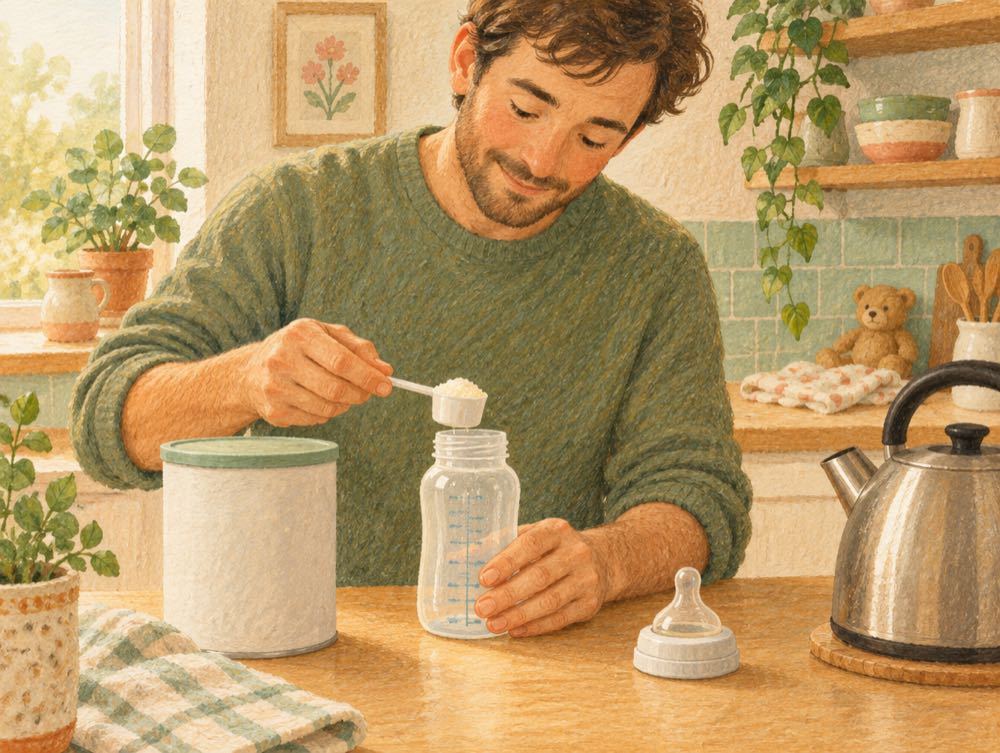
First pour the amount of hot water stated in the package instructions into a clean bottle, then add the formula using the scoop that comes in the package. Don't heap or pack the scoop; level off the extra with the leveler in the package or the back of a clean knife. Making formula thicker or more watery is never right. Too much powder can cause constipation and upset your baby's fluid balance; too little leads to underfeeding. Don't use one brand's scoop with another formula. Put on the cap and nipple and shake the bottle until the formula has completely dissolved. Don't add sugar, honey, molasses, cookies or anything else to formula; honey must never be given to babies under one year old.
Cooling and feeding
Cool the bottle quickly by holding it, with the cap on, under running cold tap water or standing it in a container of cold water. Check the temperature by dripping a few drops on the inside of your wrist; it should be lukewarm or close to room temperature, not hot. Don't warm the bottle in the microwave; hot spots can form that may burn your baby's mouth. Feed your baby held upright, looking into their eyes, and never prop the bottle on a pillow and leave your baby alone; that carries a choking risk. For details on responsive bottle feeding and burping, take a look at the article in Discover.
Leftovers and being prepared
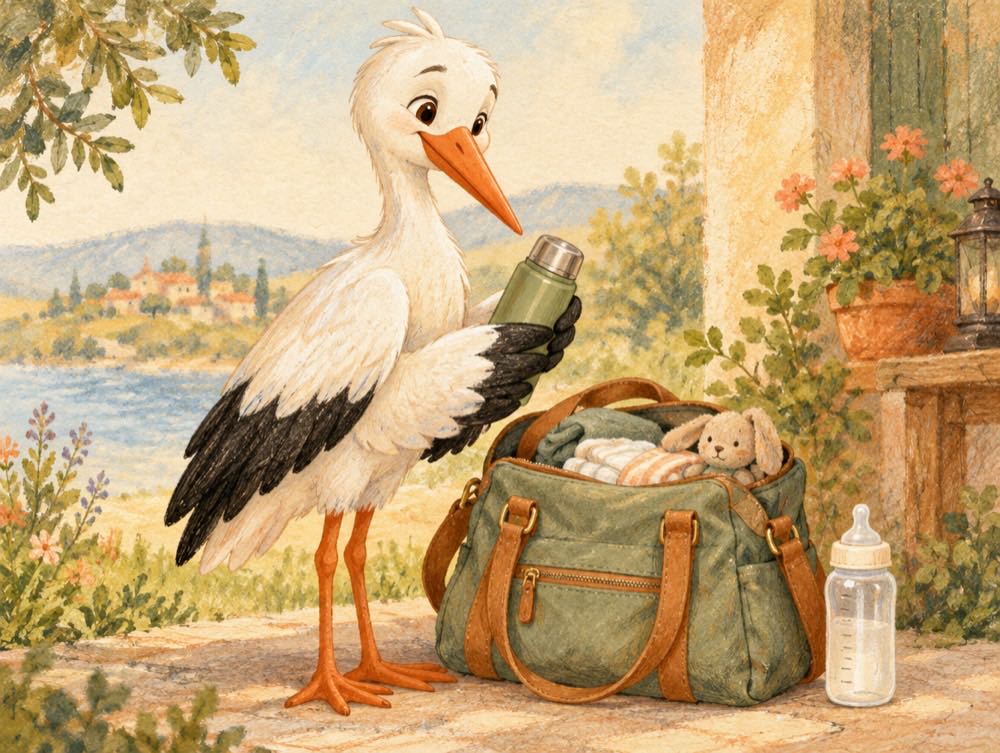
Making formula fresh for every feed is safest. Throw away formula your baby started but didn't finish within two hours at most, and don't keep it for the next feed. Leaving made-up formula at room temperature makes it easier for bacteria to grow. If you need to prepare ahead for convenience at night or when out, learn the safe ways to do it from your doctor or the package instructions. One of the most practical ways when traveling is to carry separately measured powder and hot boiled water in a well-insulated flask, and make up the formula when you need it. Ready-to-feed liquid formula can also be useful when traveling. Store an opened can of powdered formula with the lid tightly closed in a cool, dry place and use it within the time stated in the instructions.
When should you call the doctor?
If you notice frequent vomiting, diarrhea, fever, a clear drop in your baby's interest in feeding, fewer wet diapers or unusual drowsiness, contact your baby's doctor. If there are signs of allergy after formula, such as a rash, swelling of the lips or face, vomiting or fussiness, have that checked too. Trouble breathing, rapidly increasing swelling of the lips or face, turning blue or confusion is an emergency; call your local emergency number (911 in the US, 999 in the UK) right away. If you want to change formula, switch to a special formula or prepare it differently, talk to your pediatrician before doing it on your own. If you're worried about your baby's weight gain, don't miss their regular checkups.
Sources (4)
- How to make up baby formula, NHS (England)
- Formula feeding, American Academy of Pediatrics (AAP) · HealthyChildren.org
- Infant and young child feeding (fact sheet), World Health Organization (WHO)
Sources last reviewed: October 2026. This article was written for Little Pip and is based on information published by these organizations.