 Little Pip
Hospital Bag: A List for You and Your Baby
When should you pack it, and what should go in it? A practical list, from documents to maternity pads and from your baby's first clothes to the car seat for the ride home.
No one knows exactly when labor will start, so it's a good idea to have your hospital bag ready before the last weeks of pregnancy, by about 36 weeks. If you're expecting more than one baby or there's a risk of preterm birth, it makes sense to pack it earlier. Ask the hospital where you'll give birth what they provide; some hospitals supply many things, from diapers to maternity pads. Keeping the bag by the door or in the car and telling everyone at home where it is makes things easier in that exciting moment.
Documents and important items
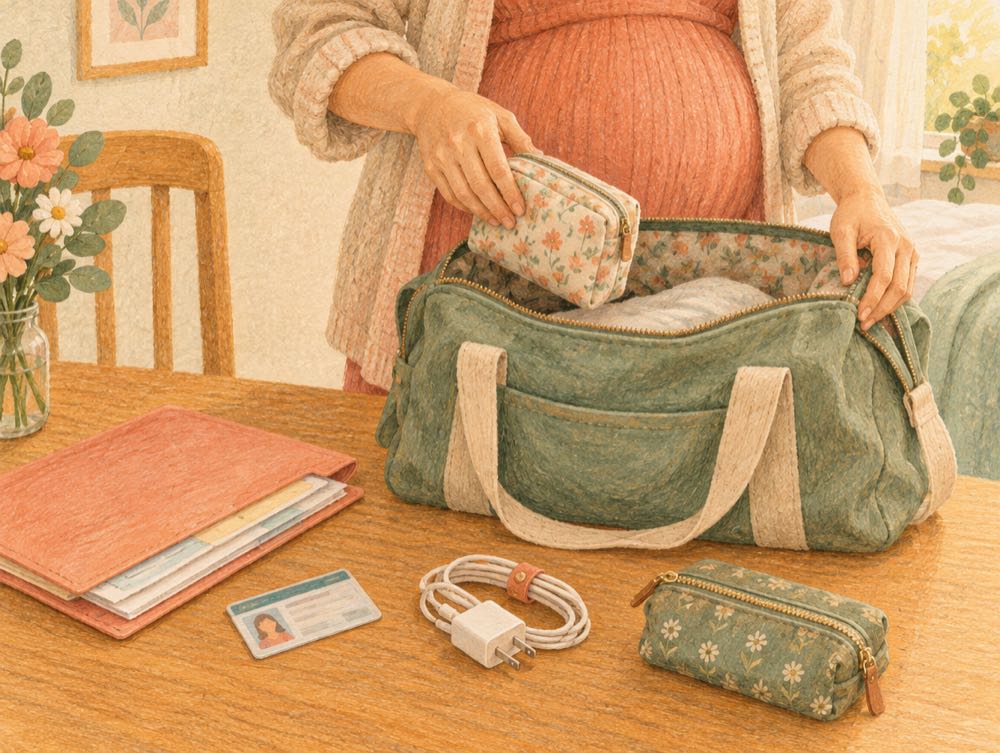
Have your photo ID, your insurance details if you have any, your prenatal notes or file, your latest test and ultrasound results and a document showing your blood type with you. If you've written a birth plan, add a copy of that too. Writing a short note of the medicines you take and important health information is useful. A long charging cable or power bank, headphones and, if you wear glasses, your glasses are also among the things not to forget.
For you
One or two front-opening nightgowns suitable for breastfeeding, a robe or cardigan, non-slip slippers and thick socks help you feel comfortable. For after birth, pack a few packs of maternity pads, comfortable high-waisted underwear, nursing bras and breast pads. A toothbrush, shampoo, lip balm, hair ties and a small towel will come in handy too. A water bottle with a straw and snacks your doctor or midwife has okayed help you keep your energy up during and after labor. Don't forget loose, comfortable clothes to wear on the way home; your belly doesn't go back to its old shape right after birth.
For your baby
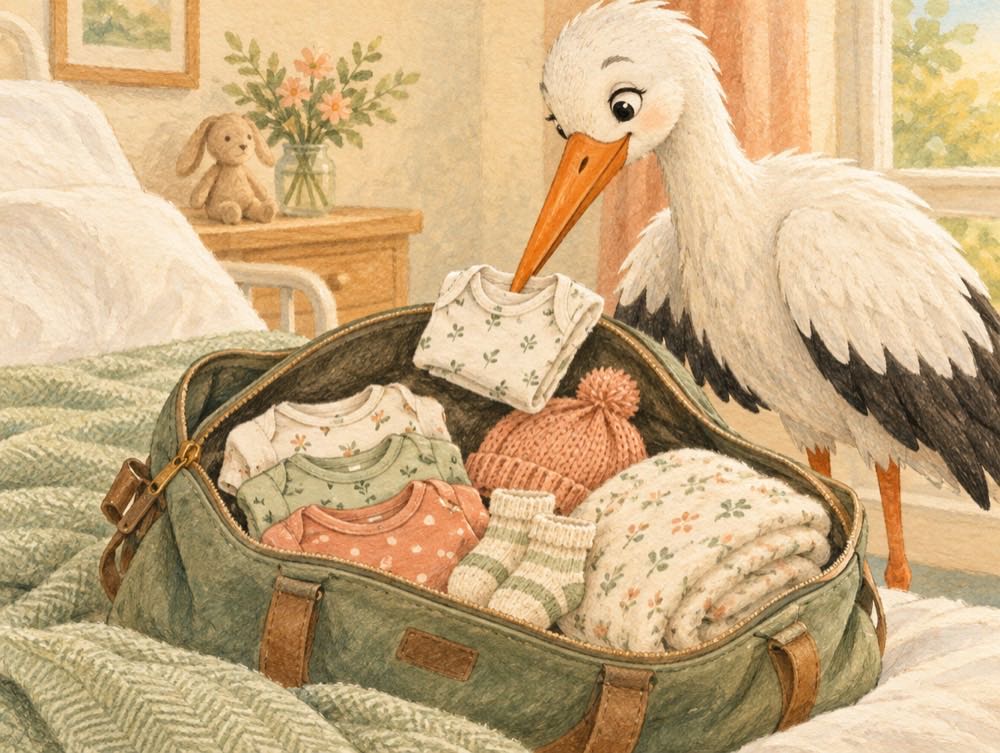
A few undershirts or bodysuits suited to the weather, a footed sleeper, a thin hat, socks and a blanket are enough. A pack of newborn-size diapers, cotton wool and warm water or wipes for sensitive skin should also be in the bag. It's a good idea to wash your baby's clothes beforehand with a fragrance-free, gentle detergent. For the trip home, a rear-facing car seat suitable for newborns is a must; holding your baby in your arms in a car isn't safe. Trying to install the seat in the car before the birth cuts down the rush on discharge day.
For your support person, and final reminders
It's good if the person staying with you also has a change of clothes, snacks, a charger, and is ready for a long wait. Don't overfill the bag; if something's missing, it can be brought later. Plan ahead when you'll call the hospital and how you'll get there once signs of labor begin. If your waters have broken, you're bleeding, your baby is moving less or you're in severe pain, go to the hospital without waiting for the bag; in an emergency, call your local emergency number (911 in the US, 999 in the UK).
Sources (3)
- Hospital bag checklist, NHS (England)
- Intrapartum care (NG235), NICE · 2023
- Child Passenger Safety, American Academy of Pediatrics (AAP) · 2018
Sources last reviewed: October 2026. This article was written for Little Pip and is based on information published by these organizations.